

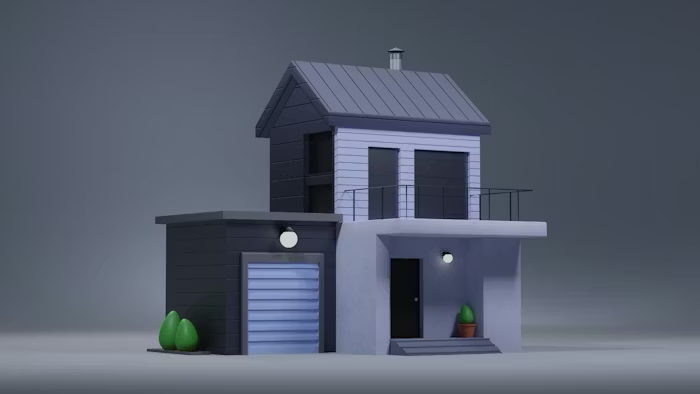
Imagine a veteran who experiences mobility issues after returning home from military duty and discovers that available housing options fail to accommodate his requirements. The presence of stairs, narrow doorways, and bathrooms that lack accessibility features results in people facing numerous difficulties during their daily activities. Genesis Donation operates according to this understanding by developing housing solutions that enable veterans with disabilities to maintain their dignity while accessing their homes.
People face greater challenges than they realize when they try to find housing that provides complete accessibility. The design of standard apartments and homes fails to accommodate the needs of wheelchair users and people who have mobility challenges. The Genesis Donation Program exists to provide housing solutions that enable veterans to move throughout their homes without assistance from other people. The implementation of accessible design systems creates a positive impact because it grants people with disabilities their rights to freedom of movement.
The Genesis Donation Program Commitment to Accessible Housing
Understanding the Need
Many veterans return from service with injuries that affect mobility permanently. Housing accommodations for wheelchair users, people who use prosthetics, and veterans with mobility issues need to be specially designed according to their requirements. Standard housing modifications require high costs, which result in incomplete solutions for daily living needs.
Genesis provides more than basic accessibility modifications because they create accessible environments through their designs. Their housing design process begins with establishing mobility requirements, which guide all subsequent design work. The design process creates functional living environments that exist beyond the boundaries of installed equipment.
Beyond Compliance to Real Accessibility
The creation of comfortable living areas requires more than meeting ADA minimum standards. The Genesis team provides veterans with housing options that extend beyond basic legal requirements. Designers execute each design process by examining how people with mobility limitations will interact with their environment.
The requirements include wider doorways that exceed the minimum standards and require the installation of grab bars at specific locations. Veterans need kitchens that provide wheelchair access to enable them to cook their own meals. The particular elements of the design establish whether a space provides basic accessibility or comfortable living conditions.
Key Features of Wheelchair Accessible Housing
Entrance and Pathway Design
Accessible housing starts at the front door. Ramps with proper slopes replace stairs entirely. Covered entryways protect residents from the weather while navigating the entry. Automatic door openers eliminate the struggle with heavy doors.
Wheelchair users can travel across all areas of the property because pathways maintain wheelchair-accessible surfaces, which contain no barriers. Residents can access mailboxes, parking, and common areas independently. The design preserves access to all areas of the building that people with disabilities need to reach.
Interior Layout and Space
Wheelchair accessible homes require generous space for maneuvering. Hallways reach widths that permit a wheelchair user to turn their chair. The rooms contain sufficient space, which enables people to walk. Open floor plans decrease obstacles while establishing a natural movement pattern.
The selection of flooring materials includes two main factors that determine their ability to provide safety and allow people to move freely. Hard surfaces allow easy wheelchair movement while textured finishes prevent slipping. The design of room transitions provides smooth movement between spaces because it uses no threshold elements, which create obstacles.
Bathroom Accessibility Features
Bathrooms present unique challenges for wheelchair users. Roll-in showers eliminate dangerous transfers over tub edges. Shower seats and adjustable showerheads provide users with the ability to bathe independently while experiencing comfort. The placement of grab bars throughout the area enables users to maintain their safety while receiving assistance.
Toilets are positioned at appropriate heights with nearby grab bars. Sinks mount at wheelchair-accessible heights with clear space underneath. Faucets use lever handles that don’t need grip strength or fine motor skills to operate.
Kitchen Modifications
Kitchens designed for wheelchair users combine functionality with safety. Lower countertops provide work surfaces at accessible heights. Upper cabinets include pull-down shelving systems. Lower cabinets use pull-out drawers instead of deep cabinets requiring reaching.
The layout positions appliances in a way that allows users to access them easily while using them safely. Side-opening ovens prevent reaching over hot surfaces. Front-mounted controls on ranges enable users to cook food safely. Refrigerators offer better accessibility through their side-by-side and bottom freezer configurations.
Bedroom and Living Spaces
Bedrooms provide enough space to transfer between beds and move around the room. Closets feature accessible heights and adjustable systems. Light switches and electrical outlets are positioned within easy reach.
Living areas support multiple furniture arrangements, which create pathways through the space. Windows have easy-to-operate mechanisms that designers installed at heights accessible to users. Users can operate climate controls because they are designed for wheelchair-height access.
Support Services Beyond Housing
Maintenance and Modifications
Genesis maintains accessibility features through its regular maintenance activities. The maintenance team responds immediately to repair broken grab bars and damaged ramps. The maintenance system helps to detect and solve minor problems that would otherwise hinder people from achieving their independence goals.
Genesis can adjust its units to match the changing needs of residents. People with progressive conditions need special equipment that will help them function better. The program provides flexible options that allow housing to adapt to changing requirements.
Community and Independence
Accessible housing alone doesn’t guarantee quality of life. Genesis creates a community atmosphere for its residents while supporting their need to be independent. Residents use common spaces to socialize while the facility provides accessible routes for their movement.
Support services help residents access resources that meet their different requirements. The system provides healthcare coordination, transportation assistance, and social services to promote users’ overall health. The complete system recognizes accessible housing as part of a broader support structure.
The Impact of Accessible Housing
Restoring Independence
Veterans who experience mobility limitations require substantial assistance from other people when they need to complete their regular activities. Accessible housing solutions provide essential support because they enable people to reclaim their independence. The ability to perform cooking and cleaning tasks as well as personal hygiene responsibilities without help enables people to restore their dignity.
The ability to move through different spaces inside their homes provides veterans with complete freedom, which improves their psychological condition. The mental health advantages of accessible housing extend beyond its basic physical benefits.
People who experience mobility limitations face life-threatening risks because they live in homes that do not meet their mobility needs. Veterans experience falls, strains, and other types of injuries because they need to navigate spaces that do not meet their requirements.
The implementation of accessible design standards through built environment planning provides active solutions that decrease the risk of accidents that lead to injuries. The establishment of proper accessibility standards helps to decrease the occurrence of health conditions that develop as secondary effects. People who face difficulties in accessing specific elements will find their health problems getting worse or new health issues appearing. Housing that enables residents to move freely throughout the space provides protection against health problems that develop over time.
How You Can Support Accessible Housing
Financial Contributions
The expenses for creating and sustaining accessible residential buildings exceed those of typical construction work. The project needs financial resources for its specialized components and high-quality building materials. The funds you donate create direct support for accessible housing projects, which transform the lives of veterans.
The organization requires monthly donations because they create predictable financial resources needed to support existing operations and future building projects. The organization receives considerable assistance through even small recurring donations, which develop into larger amounts after extended periods.
Raising Awareness
Most individuals remain unaware of accessibility obstacles until they encounter related difficulties. Your community receives educational content through the shared information about accessible housing requirements and Genesis’s activities. The increased awareness generates expanded assistance for veterans who experience disabilities.
FAQ
What advantages does Genesis housing provide that standard housing accessibility solutions lack?
Genesis designs housing specifically for accessibility rather than retrofitting existing spaces. The design process creates spaces that enable people to live freely instead of generating spaces that only satisfy minimum legal requirements.
Can Genesis modify existing units for specific veteran needs?
The program allows unit modifications to match the changing needs of residents. The housing solution maintains its capacity to assist residents in independent living as their requirements undergo changes.
How can I donate specifically to accessible housing programs?
The Genesis website accepts donations, which people can use to support both the construction and upkeep of accessible housing projects. The organization handles all funding requests for particular accessibility solutions through direct contact.
Conclusion
Genesis Donation Program demonstrates that accessible housing is about dignity and independence, not just meeting minimum standards. The key features of wheelchair accessible homes they provide transform daily life for veterans with mobility challenges. Every ramp, grab bar, and thoughtfully designed space represents a commitment to those who served.
Supporting accessible housing honors veterans’ service while addressing real needs. Your involvement, whether through donations or advocacy, helps ensure no veteran struggles with inaccessible housing. Together, we can create living spaces that support independence and dignity for all veterans.
For More Insights Click Below:
Austin, TX Unites to Support Homeless Veterans Through Genesis Donation
