

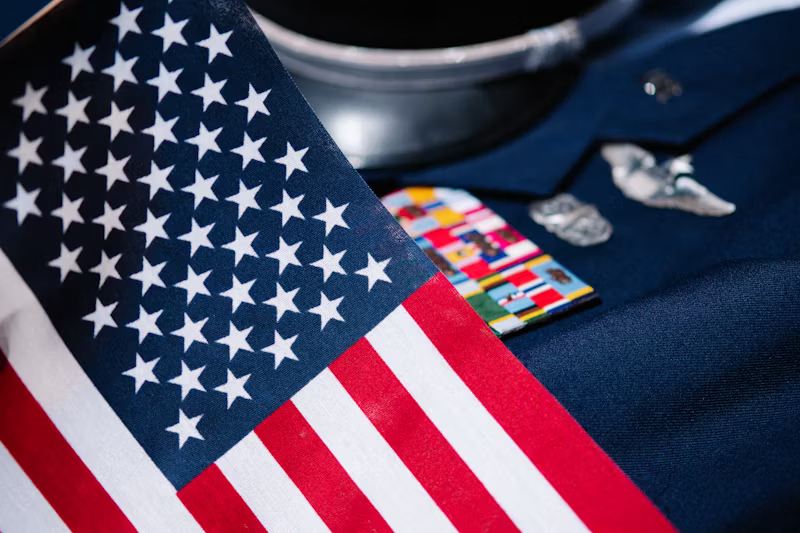
When we consider veterans, we typically picture sacrifice and heroism. But when the war is over and another one starts at home, what then? Veterans face difficulties in finding accommodation and feeling at home once again due to their health.
That is where community centers and organizations such as Genesis come in. With a heavy emphasis on genesis access, these centers do not provide simply a roof. We offer dignity and a means of rebuilding life.
If you have ever questioned what truly works in homeless veteran programs or wish to know how you can assist, you are at the right location. Allow us to break it down together.
Understanding Homeless Veteran Programs and Community Centers
Why Veterans Become Homeless
It’s not always bad luck. Many veterans have a mix of physical and emotional bruises when they return home. It’s hard for some to transition into civilian life. Others can’t find steady work or afford housing. Add on top of that mental problems like PTSD, and you can understand how the situation spins out of control.
How Community Centers Step In
Community centers are just such beacons for homeless veterans. They offer food and shelter, but something of greater value, that is friendship. Veterans can be in a safe and understanding environment where they are embraced for who they are. They are also given accommodation that allows them to stand alone without depending on anybody.
Genesis accessibility provides all these services to disabled or mobility-impaired veterans and makes them easily accessible and convenient. Each ramp and transportation method matters because it says, “You belong here.”
What Works in Homeless Veteran Programs
Housing with Dignity
No one recovers on the street, so a stable home is the first step. Long-term housing programs, rather than temporary shelter, make a big difference. Veterans have a chance to sleep and restore themselves without worrying about where to sleep the next night.
Genesis accessibility makes a huge difference here. Smart homes that are accessible have technology that makes it easier for veterans who have physical limitations to live independently. Imagine voice-activated lights and adjustable kitchen counters. These little things make big differences.
Accessible Housing and Community Living
A safe home is the basis of any new start. Genesis USA constructs wheelchair-accessible homes for disabled veterans. Every home features amenities such as elevators and modified kitchens. Safer bathrooms and spacious hallways facilitate easier and more independent living. But Genesis doesn’t stop at walls and doors.
We plan community areas and leisure facilities like activity centers and pools. These communal areas instill veterans with the confidence to engage with each other and restore their confidence in a safe environment.
Reintegration and Outreach Support
Genesis USA understands that healing begins with stability and trust. Our outreach services meet homeless veterans where they’re at, providing life’s necessities such as food and clothing. These interventions bring back dignity and usher in long-term assistance. Veterans are then linked to reintegration services that assist them in finding housing and becoming independent once more.
This step-by-step method allows them to move from crisis to community living.
Building Confidence Through Purpose
A paycheck is nice, but being useful feels great, too, as veterans learn new skills and witness progress, their self-esteem rockets. It’s like going from getting by to thriving.
The Role of Genesis in Serving Veterans
What Sets Genesis Apart
Genesis USA doesn’t merely offer housing. It builds homes that respond to each veteran’s specific needs. From the Genesis approach to accessibility, every design element reinforces comfort and independence. Veterans are able to cook, clean, and live without restrictions, feeling less confined by their surroundings.
The organization also bridges veterans with healthcare and job placement. This holistic approach makes recovery not only possible but sustainable.
Real Stories, Real Change
Get to know James, a Navy veteran who lived in his car for two years. Once he enrolled in a Genesis program, he was given housing and physical therapy from one of their neighborhood centers. A few months later, he was volunteering to assist other veterans in doing the same.
James’ story is not an uncommon one. It’s evidence that these programs succeed when compassion is combined with structure.
Technology and Accessibility
Genesis paves the way for accessible innovation. The homes are built with adaptable furniture, voice-activated automation, and wheelchair-accessible designs. That’s Genesis accessibility at work; enabling veterans to live proud and free.
How You Can Help
Volunteer Your Time
Not all are capable of constructing houses, but anyone can construct hope. Helping at community centers or at Genesis events keeps these programs funded. You might be able to mentor or just listen. At times, listening is the greatest gift you can provide.
Donate or Fundraise
Any donation, no matter how small, translates to real change. Dollars contribute to affordable housing and mental health treatment for veterans who need it most. You can even create a fundraiser in your community. Consider how much good a small action could initiate.
Spread Awareness
You don’t need to wear a uniform to serve. Post Genesis accessibility and veteran success stories on social media. Share these programs with others. The more awareness, the more support.
Common Challenges These Programs Face
Limited Resources
There are more veterans in need than there are programs available. Many community centers rely on donations and volunteers, which can fluctuate. When funds are low, veterans wait longer for housing and care.
Stigma Around Seeking Help
Some of the veterans are ashamed to seek assistance. They perceive it as a sign of weakness, despite the fact that it takes enormous courage to ask for help. Genesis and similar programs strive to break that belief by establishing secure and judgment-free environments.
The Need for Long-Term Support
Short-term assistance is not sufficient. The veterans require continuous care and support to remain stable. That’s why Genesis USA emphasizes long-term interaction over short-term fixes.
FAQs
1. What housing does Genesis USA provide for veterans?
Genesis USA offers wheelchair-adapted homes specifically for disabled veterans. Each unit is equipped with adapted kitchens and secure bathrooms to enhance independence and comfort.
2. How does Genesis USA help homeless veterans beyond housing?
Their outreach agencies distribute basic needs like clothing and food. They also refer the veterans to reintegration services that help restore the lives of the veterans to society.
3. Is anyone capable of helping fund Genesis USA’s homeless veteran programs?
Yes. You can volunteer at local organizations or donate to Genesis USA. Every bit helps veterans gain access to secure shelter and proper care.
Conclusion: Together, We Can Make a Difference
Homeless veteran programs work best when accessibility and compassion are united. Programs and organizations like genesis accessibility show that a small action, be it a ramp or an ear to hear them out, can make all the difference.
When we assist such programs, we’re not just giving veterans a place to call home. We give them back their dignity, their independence, and hope for a brighter future. So whether you volunteer or share their stories, remember this: the best way to say thank you to a veteran for their service is to stand with them when they need us most.
