

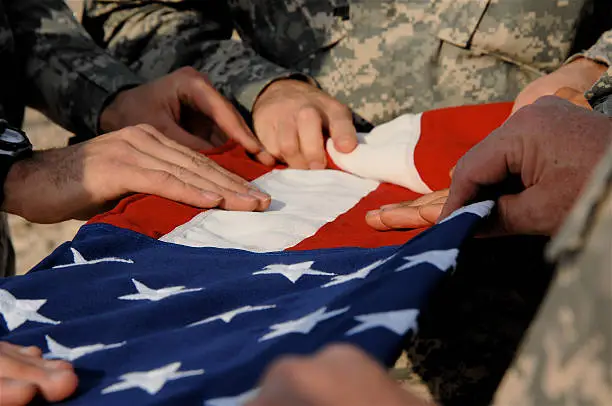
Have you ever wondered what happens to the families of first responders who lose their lives while serving? It is one of those questions we do not often think about. But when you finally pause and look at the impact, you realize deeply how these losses affect entire households. That’s where the Fallen First Responder Home Program comes into play. This program supports families who find themselves without their loved ones suddenly. It also connects to the homeless veterans program and Genesis Accessibility Support, so that families and veterans can get help without stress.
This program matters because losing a first responder affects everything. It affects finances and daily life. It affects emotional stability and long-term security. Families should not have to figure things out alone.
How the Fallen First Responder Home Program Helps Families
The Fallen First Responder Home Program uses practical assistance that families can immediately utilize. It is support during difficult transitions, guiding them toward stability. Let us break it down so that it feels uncomplicated and easy to understand.
1. Housing Support for Families
When a family loses a first responder, it is most often the home that becomes their largest concern. The Fallen First Responder Home Program steps in with clear housing support. Families may receive help with staying in their current home or finding a new one that fits their needs better.
Keeping Families Stable
The program provides guidance and support. It links families with housing advisors and community partners. This provides the families with some breathing space and time to adjust.
Linking Families With Long-Term Solutions
The program also helps families plan ahead and assists them in thinking about long-term financial security and home stability. This is important because a stable home keeps stress levels low; in addition, it helps children adjust emotionally.
2. How This Program Connects With the Homeless Veterans Program
Many first responders are veterans, and many families of fallen responders are tied to veteran communities. That’s why the homeless veterans program fits naturally with this support system.
A Safety Net for At-Risk Veterans
The homeless veterans program focuses on giving veterans a place to live. It also helps with daily essentials and connects them to health services. Often, veterans experience quick financial issues or personal setbacks. This program offers structure and guidance to keep them from falling through the cracks.
Support with stability and independence
The program works on two simple goals: helping veterans find safe shelter and helping them build independence. This could mean connecting them with jobs or helping with paperwork, and it could mean finding long-term housing that matches their needs.
3. Genesis Accessibility Support for Families and Veterans
The Genesis Accessibility Support program eases daily life for veterans and families with specific needs. Accessibility isn’t just about ramps and wheelchairs; it is about comfort and safety, affording those individuals the capability of movement in life without fear or stress.
Practical Support for Homes
Genesis Accessibility Support helps families in two ways: first, it makes them aware of what changes might be needed to the home, and second, it links them with resources that can make those changes. This helps keep homes safe and comfortable.
Helping Disabled Veterans Live More Easily
Sometimes, disabled veterans need adaptations in order to get on with life and be independent. Simple adjustments make a huge difference. When the home works well, the veteran feels more confident and more relaxed. It reduces stress for both caregivers and families.
Why These Programs Matter So Much
It’s easy to think that the support programs are just paperwork or forms, but it’s programs like the Fallen First Responder Home Program that create real change. They help families breathe again. They help veterans stand again. They make hard days a little easier.
1. Emotional stress should not be handled alone.
The sudden loss of a first responder brings a family shock and grief. They should not also worry about housing and financial strain. Support through programs like these does help in the worst of times, offering guidance and clarity.
Practical Help Helps Emotional Healing
When basic needs are handled, families have time to heal. They can focus on themselves and each other. This is how recovery begins.
2. Veterans deserve respect and stability
Veterans facing housing challenges often feel forgotten. The homeless veterans program reminds them that they matter, and help exists. It is not just about survival; it is about stability and dignity.
Independence Builds Confidence
Simple support can make a veteran feel in control again. Confidence follows this, and better decision-making develops accordingly.
3. Accessibility Should Never Be an Afterthought
Genesis Accessibility Support is focused on keeping families safe in their own homes. Everyone has a right to a home that feels comfortable and easy to navigate. When accessibility is done correctly, daily routines become easier.
How These Programs Work Together
The strength of these programs is that they are complementary. A family from a fallen first responder may require stable housing and emotional support, but the veteran connected to them may require long-term housing or accessibility tools. These programs create a network.
An Interconnected Support System
Families receive emotional and practical support. Veterans receive housing and stability. Homes receive the modifications they need. Everything is connected in a helpful way.
A Simple Approach to Real Problems
The programs do not try to complicate things; they focus on providing clear steps and simple guidance. This helps families feel less overwhelmed.
FAQs
1. Who is eligible to apply to the Fallen First Responder Home Program?
Eligible applicants are families of first responders who died in the line of duty. Examples of first responders include: firefighters, police officers, and emergency medical personnel.
2. Does this program work in conjunction with the homeless veterans Program?
Yes, both programs support housing stability and long-term security for families, attending to practical needs regarding accessibility and safety within living environments.
3. How does Genesis Accessibility Support assist families beyond housing?
They support families with daily challenges and paperwork, help with accessibility needs, and bring emotional support during times of difficult transitions.
Conclusion: Why the Fallen First Responder Home Program Matters
In an instant, the world shifts when first responder families lose a loved one. The Fallen First Responder Home Program provides a steady footing-a comforting and stabilizing influence. It works hand-in-hand with the homeless veterans program and the Genesis Accessibility Support system to bring relief from stress for families and veterans alike.
These programs bring very real solutions and very real comfort. They help families rebuild, and they help veterans regain stability. And they remind everyone that service and sacrifice never go unnoticed.
It is now time to help a family get the support they deserve. Reach out today to Genesis Accessibility Support and take that first step toward stability and care.
For More Insight Click Below:
Top 10 Volunteer Opportunities in Austin, TX to Support Veterans and Families
